
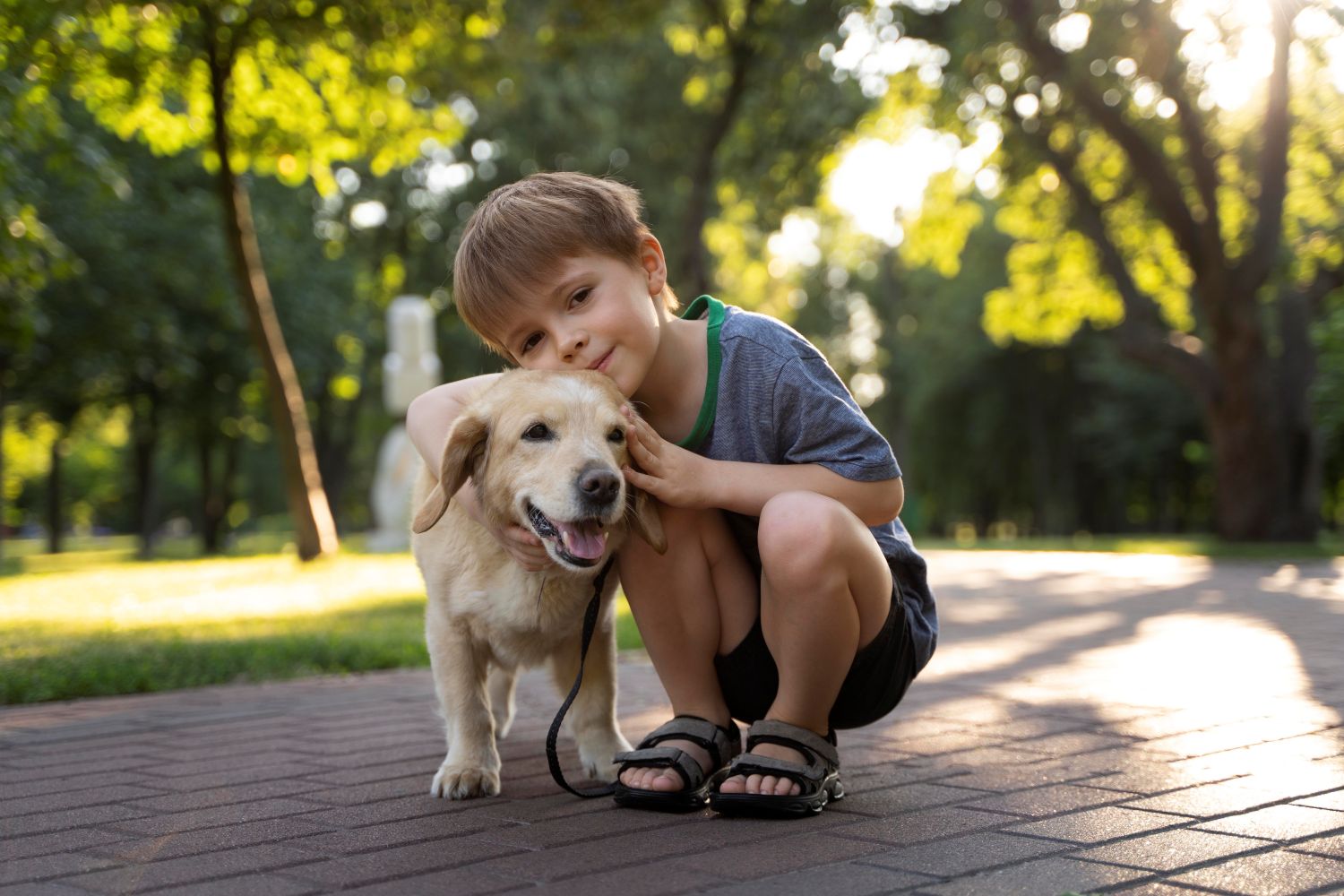
The bond between dogs and children can be one of the most rewarding relationships in a family. Dogs often become cherished companions for children, offering love, loyalty, and countless opportunities for fun and adventure. However, fostering a safe and harmonious relationship between dogs and small children requires understanding, patience, and effective communication. In this article, we will explore strategies for bridging the gap between dogs and small children, ensuring a positive and enriching experience for both.
1. Educate Children About Dogs
Understanding Canine Behavior
Teaching children about canine behavior is essential for fostering understanding and respect. Kids need to learn how to interpret a dog’s body language and behavior to interact safely.
- Teach Basic Signals: Explain common dog signals, such as wagging tails (which can indicate happiness), growling (which may indicate discomfort or warning), and relaxed body posture (indicating a friendly dog).
- Role-Playing: Use role-playing games to demonstrate safe interactions. For example, show children how to approach a dog calmly and gently.
Safety Rules
Establishing safety rules can help prevent accidents and misunderstandings.
- Never Disturb a Sleeping Dog: Teach children that dogs need their space, especially while eating or sleeping.
- Gentle Touch: Encourage children to pet dogs gently and avoid pulling ears or tails, which can provoke a negative response.
2. Choose the Right Dog
Selecting a Family-Friendly Breed
When bringing a dog into a home with small children, it’s important to choose a breed that is known for being good with kids. Some family-friendly breeds include:
- Golden Retrievers: Known for their friendly and tolerant nature.
- Labrador Retrievers: Energetic and gentle, making them great companions for children.
- Beagles: Friendly and curious, Beagles typically enjoy the company of kids.
Consider the Dog’s Temperament
Regardless of breed, individual temperament is key. Spend time with the dog before bringing it home to assess its behavior around children. A calm and patient dog is more likely to adapt well to a household with kids.
3. Supervise Interactions
Active Monitoring
Always supervise interactions between dogs and small children to ensure safety. Even the most well-behaved dog can become overwhelmed or startled, leading to unintended consequences.
- Stay Present: Be nearby during playtime to intervene if necessary.
- Set Boundaries: Create designated areas where the dog can retreat if it feels overwhelmed, and teach children to respect these spaces.
Positive Reinforcement
Encourage positive interactions by rewarding both the dog and the child when they engage appropriately.
- Praise and Treats: Use praise and treats to reward calm behavior from the dog and gentle interactions from the child.
- Model Good Behavior: Demonstrate how to interact with the dog positively, showing children the right way to play and engage.
4. Teach Responsibility
Involve Children in Care
Getting children involved in the care of the dog can help them develop a sense of responsibility and strengthen their bond.
- Feeding and Grooming: Assign age-appropriate tasks, such as helping to feed the dog or brushing its fur. This teaches children about the needs of their pet and fosters empathy.
- Walking the Dog: For older children, teaching them how to walk the dog safely can be a rewarding experience that builds confidence and responsibility.
Set Expectations
Clearly communicate the expectations and responsibilities associated with pet ownership. This helps children understand that caring for a dog is a commitment that requires time and effort.
5. Create a Safe Space for the Dog
Designated Areas
Creating a safe space for the dog within the home can help prevent stress and anxiety.
- Safe Zones: Designate areas where the dog can retreat when it needs a break, such as a crate or a quiet room. Teach children that these spaces are off-limits to them.
Personal Items
Ensure the dog has its own toys, bed, and food and water bowls. This helps establish boundaries and gives the dog a sense of security.
6. Encourage Gentle Play
Interactive Activities
Promote gentle, interactive play between children and dogs to foster a positive relationship.
- Fetch and Tug-of-War: Supervised games like fetch or tug-of-war can be fun for both dogs and children. Ensure that the games are gentle and that the dog is comfortable with the activity.
- Training Games: Incorporate training exercises that engage both the dog and the child. Teaching the dog simple commands can be a fun way for children to bond with their pet.
Limit Rough Play
Teach children to avoid roughhousing or aggressive play, as this can lead to misunderstandings and potential injuries.
7. Educate About Dog Body Language
Understanding Canine Signals
Teaching children to recognize dog body language can significantly improve interactions and prevent accidents.
- Calm Signals: Show children how to recognize when a dog is calm and happy, such as a wagging tail and relaxed posture.
- Signs of Stress: Teach them to look for signs of stress or discomfort, such as growling, baring teeth, or a stiff body. If they notice these signals, they should give the dog space.
Conclusion
Fostering understanding between dogs and small children is essential for creating a harmonious household. By educating children about canine behavior, supervising interactions, and promoting gentle play, you can help nurture a safe and loving relationship between your kids and their furry friends. With patience and guidance, the bond between dogs and children can flourish, enriching both their lives and creating lasting memories. Embrace the journey, and enjoy the joy that comes from bridging the gap between these two beloved companions!
